
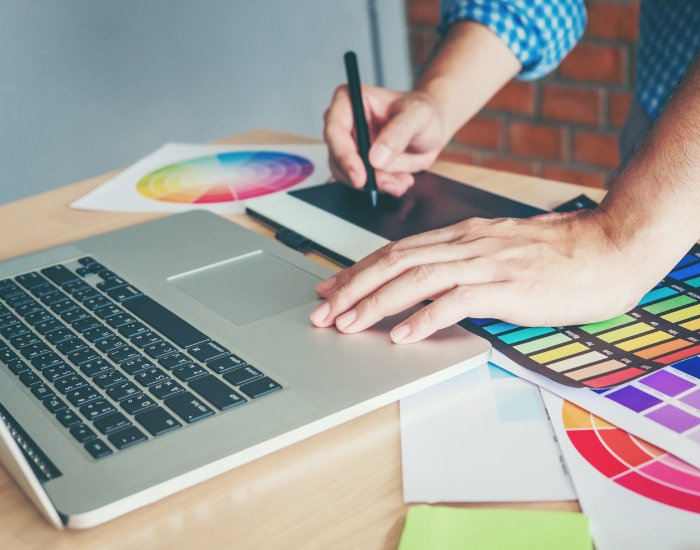
For startups in Atlanta, establishing a strong brand identity is critical to attracting customers, investors, and partners. A compelling visual identity communicates professionalism, credibility, and the unique personality of your business. Graphic design services play a central role in creating this identity, helping startups develop logos, marketing materials, websites, social media visuals, and more that resonate with their target audience.
This blog explores how Atlanta startups can leverage professional graphic design services, the key components of effective brand identity, common challenges in startup branding, and practical strategies to ensure that a visual identity stands out in a competitive market.
Table of Contents
- Why Graphic Design Matters for Startups
- Core Elements of a Strong Brand Identity
- Essential Graphic Design Services for Startups
- How Startups Can Maximize Design Impact on a Budget
- Common Branding Mistakes to Avoid
- Maintaining Consistency Across Digital and Print Platforms
- Final Thoughts
1. Why Graphic Design Matters for Startups
Startups often operate in crowded, fast-moving markets where first impressions are crucial. In Atlanta, a city known for its thriving tech, creative, and service industries, visual branding helps distinguish a business from competitors. Effective graphic design communicates the company’s values, personality, and professionalism, making it easier for customers to connect with the brand.
A startup’s visual identity is often the first point of contact with potential clients or investors. Well-crafted logos, consistent typography, and cohesive color palettes build trust and recognition. In contrast, inconsistent or low-quality design can convey a lack of experience or attention to detail, potentially deterring customers. Investing in professional graphic design early helps startups build a strong foundation for growth and long-term brand equity.
2. Core Elements of a Strong Brand Identity
A strong brand identity goes beyond a logo, combining visual, verbal, and experiential elements to define a business. The logo itself serves as the centerpiece, representing the company’s personality, mission, and values while being scalable, memorable, and aligned with the industry. Complementing the logo, the color palette communicates emotions and messages, with a primary set for core branding materials and complementary colors for flexibility. Typography plays a crucial role in reflecting the brand’s tone and maintaining legibility across digital and print platforms, while a consistent font system strengthens recognition. Imagery and graphics, including icons, illustrations, and photos, reinforce the brand’s story and personality, creating cohesion with the visual style. Finally, brand voice—though not visual—interacts with design to maintain a unified identity, ensuring that visuals and messaging work together effectively. Thoughtfully integrating these elements allows startups to build an identity that is both professional and distinctive.
3. Essential Graphic Design Services for Startups
Startups can leverage a wide range of graphic design services to establish a professional brand presence. Logo design is often the first step, focusing on originality, clarity, and versatility across platforms. Marketing collateral such as business cards, flyers, brochures, and banners helps convey the brand offline and ensures consistency with digital assets. Website and UI/UX design is another critical area, as designers create visually appealing layouts and interactive elements that enhance the user experience. Social media visuals require consistent, eye-catching content, including templates, graphics, and promotional materials that reinforce the brand. Presentation and pitch deck design is important for startups seeking investment, as well-designed slides convey professionalism and attention to detail. For startups offering physical products, packaging design communicates quality and reinforces the brand story at the point of sale. Combining these services ensures a holistic and cohesive brand presence across all customer touchpoints.
4. How Startups Can Maximize Design Impact on a Budget
Many startups operate with limited resources, but strategic approaches can maximize the impact of graphic design investments:
- Prioritize Core Assets: Focus on foundational elements like the logo, color palette, and typography before expanding into additional marketing materials.
- Use Templates Wisely: Customizable design templates can save time and money while maintaining visual consistency.
- Leverage Freelancers or Agencies: Partnering with skilled freelance designers or small agencies in Atlanta can provide high-quality design at a lower cost than large firms.
- Iterative Design: Start with a minimal viable design and refine over time as the brand evolves and resources allow.
- DIY Tools with Guidance: AI-assisted design tools can supplement professional work, but should be guided by consistent brand standards to maintain quality.
By strategically allocating resources, startups can achieve professional branding without exceeding budget constraints.
5. Common Branding Mistakes to Avoid
Startups often make avoidable errors that weaken their brand identity:
- Inconsistent Visual Elements: Using different colors, fonts, or logos across platforms can confuse customers and dilute brand recognition.
- Overcomplicated Logos: Complex designs may lose clarity when scaled down or used digitally. Simplicity is often more memorable.
- Copying Competitors: While it may be tempting to follow trends, imitating other brands reduces authenticity and makes it harder to stand out.
- Neglecting Digital Platforms: Logos and designs must work well online, especially on mobile devices and social media.
- Ignoring Brand Guidelines: Without clear standards for colors, typography, and layout, even high-quality designs can appear inconsistent.
Being aware of these mistakes helps startups maintain a cohesive and professional brand identity.
6. Maintaining Consistency Across Digital and Print Platforms
Consistency is key to building recognition and trust. Atlanta startups should develop comprehensive brand guidelines that outline approved color palettes, typography, logo variations, spacing rules, and file formats for both digital and print use. Properly maintained guidelines ensure that marketing materials, websites, social media visuals, and physical collateral all reflect the same professional image, reinforcing the startup’s identity at every customer touchpoint.
7. Final Thoughts
For startups in Atlanta, professional graphic design is more than an aesthetic choice—it is a strategic investment that shapes how customers perceive the brand. By developing a strong visual identity that includes a well-designed logo, cohesive color palette, consistent typography, and aligned graphics, startups can stand out in a competitive market. Investing in professional services early helps build credibility, strengthens recognition, and supports long-term growth.
If your startup is looking to develop a standout brand identity, Atlanta Logo offers guidance and insights to help you create professional, cohesive, and memorable visual branding that resonates with your audience.