
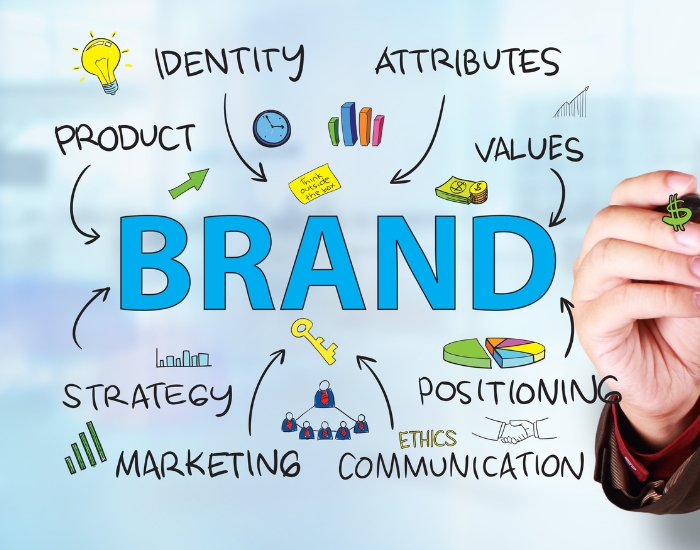
In 2025, branding remains one of the most important tools for Atlanta businesses seeking to stand out in competitive markets. At the core of any brand identity is the logo, a visual symbol that communicates a company’s values, mission, and personality at a glance. A well-designed logo creates recognition, trust, and credibility, while a poorly executed one can confuse potential customers and undermine your brand.
This guide explores why logos are essential for Atlanta businesses, key design principles to consider, how to adapt logos for evolving markets, and practical strategies for maintaining brand consistency across platforms.
Table of Contents
- Why Your Logo is Critical for Business Branding
- Key Elements of an Effective Logo
- Adapting Your Logo for Modern Markets
- Common Logo Design Mistakes to Avoid
- How Your Logo Fits Into a Complete Brand Strategy
- Best Practices for Maintaining Consistency
- Final Thoughts
1. Why Your Logo is Critical for Business Branding
A logo is often the first interaction customers have with your business. In Atlanta’s fast-growing business environment, a strong logo can make a significant impact. It functions as a visual shorthand for your brand, communicating your values, professionalism, and industry focus. Logos are not only used on websites and social media but also appear on print materials, merchandise, signage, and promotional items.
Beyond recognition, a thoughtful logo builds trust. Consumers are more likely to engage with brands that appear professional and cohesive. In 2025, where digital interactions dominate and attention spans are short, a logo that is clear, distinctive, and memorable is critical for capturing attention and fostering long-term customer relationships.
2. Key Elements of an Effective Logo
An effective logo combines several essential elements that contribute to both aesthetics and brand communication.
- Simplicity: Clean, uncluttered designs are easier to recognize and more versatile across platforms.
- Memorability: Logos should leave a lasting impression, helping customers remember your business.
- Relevance: Your logo should align with your industry and target audience, using symbols, colors, and typography that convey the right message.
- Scalability: High-quality logos must work at any size, from tiny social media icons to large signage. Vector files are crucial for maintaining clarity.
- Timelessness: While trends evolve, the core design should remain relevant for years, avoiding overly trendy elements that may date quickly.
By incorporating these elements, Atlanta businesses can create logos that communicate their brand identity effectively and adapt to future marketing needs.
3. Adapting Your Logo for Modern Markets
Modern branding requires logos that are flexible and adaptable to various contexts. In 2025, businesses need logos that work across digital platforms, social media, mobile apps, and print. Considerations include:
- Responsive Design: Logos should have simplified variations for smaller screens without losing identity.
- Color Flexibility: Choose color palettes that maintain legibility and emotional impact across digital and print media.
- Cultural Relevance: Incorporate elements that resonate with local audiences, such as Atlanta-inspired colors, symbols, or subtle cultural references.
- Animation and Motion: Dynamic logos can enhance engagement on digital platforms, creating memorable brand experiences.
- By adapting logos for multiple formats and platforms, businesses ensure that their visual identity remains consistent and relevant in the modern marketplace.
4. Common Logo Design Mistakes to Avoid
Even minor design oversights can reduce a logo’s effectiveness. Overcomplicating the design with too many details or fonts can make a logo confusing and difficult to reproduce, while ignoring scalability may result in a logo that looks great in large formats but becomes illegible in smaller applications. Copying competitors can diminish authenticity and make it harder for your brand to stand out, and neglecting brand consistency—using inconsistent colors, typography, or layouts—can confuse customers and weaken recognition. Additionally, failing to test logos across different platforms can lead to distortions or clarity issues on mobile devices, social media, or printed materials. Being mindful of these common pitfalls helps Atlanta businesses create logos that are professional, versatile, and enduring.
5. How Your Logo Fits Into a Complete Brand Strategy
A logo is just one element of a broader brand strategy, but it plays a central role in reinforcing recognition and trust. When combined with consistent messaging, typography, color palettes, imagery, and tone of voice, a logo becomes part of an integrated visual identity that aligns with websites, social media visuals, and marketing materials. Consistent brand messaging ensures that visuals and written content complement each other, communicating a unified story. The logo should also reflect what makes the business unique, helping it differentiate from local competitors and strengthen market positioning. Additionally, logos influence the customer experience at every touchpoint, from packaging and signage to digital interactions. Thoughtfully integrating your logo into a full branding strategy ensures a cohesive, memorable, and professional brand presence.
6. Best Practices for Maintaining Consistency
Maintaining consistency across platforms is critical for effective branding. Atlanta businesses should establish brand guidelines that cover logo usage rules, color palettes, typography, spacing, and approved variations. These guidelines help ensure that logos are applied correctly across digital, print, and social media platforms. Using high-resolution and vector files guarantees scalability, while testing the logo on various devices and materials ensures clarity and impact. Consistent application reinforces brand recognition, builds trust, and strengthens the overall identity in the eyes of customers.
7. Final Thoughts
In 2025, logos remain central to effective business branding. For Atlanta companies, a thoughtfully designed logo communicates professionalism, trust, and unique value, helping to differentiate the business in a competitive market. By focusing on simplicity, relevance, scalability, and adaptability, businesses can create logos that resonate with local audiences, maintain consistency across platforms, and support long-term growth. Integrating the logo into a comprehensive brand strategy ensures that every customer interaction reflects a cohesive and professional identity.
If you want to create a professional, versatile, and memorable logo that strengthens your brand in Atlanta, Atlanta Logo can provide insights and guidance to help your business build a strong visual identity for 2025 and beyond.